Point 3 of 6 · Brisbane
Green waste and garden clippings in Brisbane
In Brisbane, garden waste that doesn’t fit in your green bin, or comes from a home without one, can be taken to one of Council’s resource recovery centres, where you can use a waste voucher or pay a fee. Council’s kerbside collection does not take garden waste, and garden waste is on Council’s list of things commonly dumped.
General information about Brisbane City Council’s services, not advice about your garden. Council’s resource recovery centres page is the place to check.
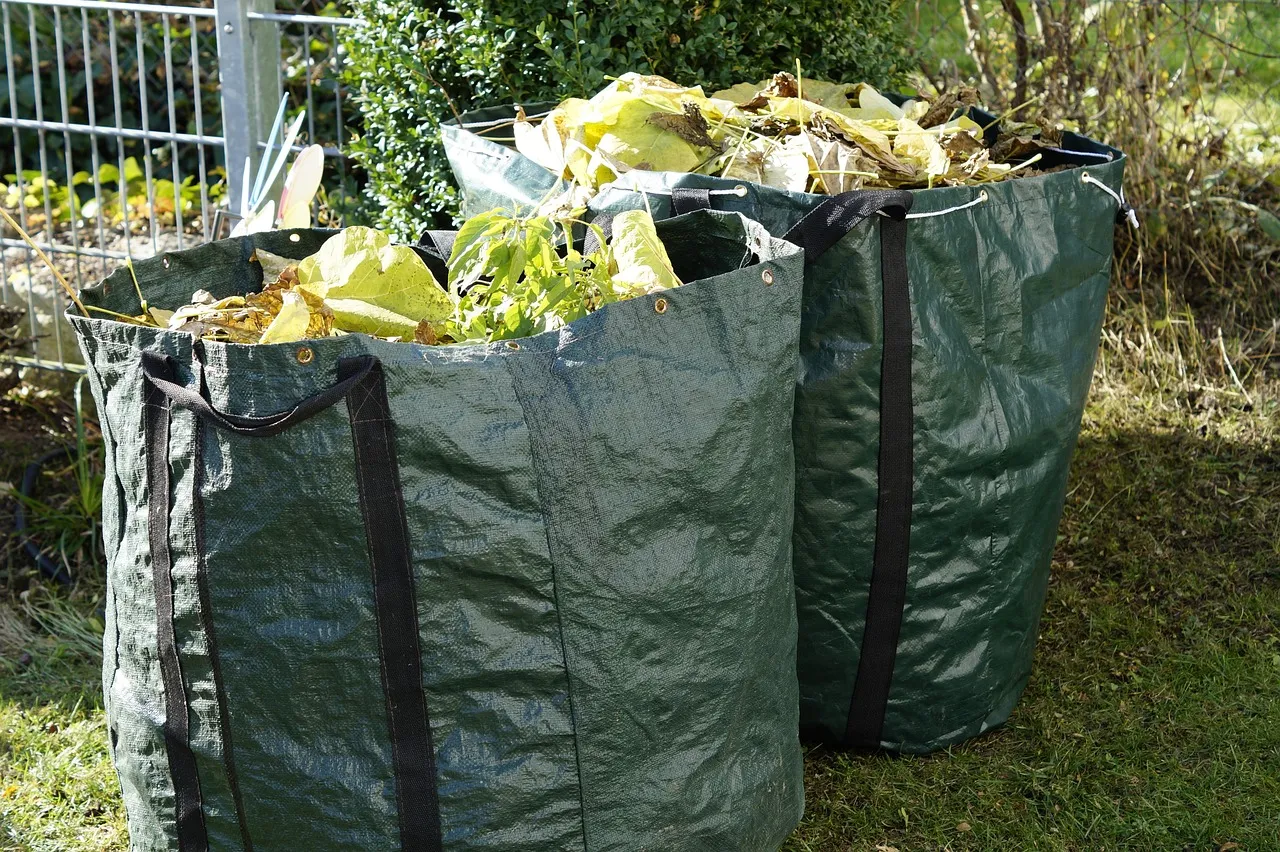
What counts as green waste
Council’s resource recovery centres page describes it like this:
“Green waste material comes from your garden and includes:
Resource recovery centres, Brisbane City Council
- cuttings from shrubs and trees
- grass clippings
- leaves, palm fronds, twigs and branches
- loose bark
- weeds, ivy, creepers and vines.”
Queensland’s Waste Reduction and Recycling Regulation 2023 has its own definition in its dictionary: “green waste means grass cuttings, trees, bushes, shrubs, loppings of trees, bushes or shrubs, or similar matter produced as a result of the ordinary use or occupation of premises.”
Taking it to a resource recovery centre
All four of Council’s centres, at Nudgee, Willawong, Chandler and Ferny Grove, are open 7 days a week, including all public holidays, from 6.30am to 5.45pm, and the gates close strictly at 5.45pm.
Vouchers
Council gives residents 10 waste vouchers each year for household general and green waste, and they can be used at any of the centres. You can use at most 10 vouchers together, covering up to 1,000 kilograms, and the voucher’s terms and conditions apply. Vehicles over 4.5 tonnes combined gross vehicle mass can use only the Nudgee and Willawong centres, and cannot use vouchers at all.
Fees, and why sorting matters
Without a voucher, disposal fees depend on the type of vehicle and the weight of the load. Council’s fee table gives “Green waste only” a line of its own, separate from “General waste (mixed general waste and green waste)”, so a load that mixes the two sits on the general waste line. Council’s page lists the current amounts, and its answer to how much green waste costs is that it depends on the amount you are getting rid of.
Packing the trailer, front to back
Council’s video on preparing your waste suggests packing a load in this order:
- FrontGeneral waste, towards the front of the vehicle or trailer.
- NextGreen waste, such as palm fronds and garden clippings.
- ThenHazardous items such as paint and oil, kept together.
- ThenE-waste, batteries and hard plastics, split up; cardboard flattened and metals separated.
- Last inDonations for the Treasure Trove, which will be your first stop.
The same video says to cover and secure your load, to bring someone to help unload heavy items, and to wear enclosed shoes and protective clothing such as gloves and glasses. Children under 12 and pets stay in the vehicle at all times.
Not on the kerb, and never dumped
“Garden waste” is on Council’s list of items it will not collect from the kerb, though “Wood products less than 1.5 cubic metres” are on its acceptable list. And on its illegal dumping page, Council counts “garden, building and commercial waste” among the kinds of illegal dumping, which it defines as unlawfully disposing of 200 litres or more of waste, with multiple items combined. The dumping guide explains how to report it.
The Queensland Government’s page on illegal dumping makes the same point from the other side: “legal disposal may have cost far less in fuel, time and effort and many of the items illegally dumped such as garden waste, white goods and computers can be easily recycled.”
Nor can garden waste go straight to the Brisbane landfill. Council says residents cannot dispose of any materials there, because there is no public access. At a resource recovery centre, what you drop off is sorted, the recyclable materials are recovered, and the rest is disposed of appropriately.
Clippings turn up in one more place on Council’s pages. Small, dried quantities of paint can go in the red bin, and Council suggests solidifying paint first with an absorbent such as kitty litter, soil or grass clippings.
Garden chemicals are a different trip
Council says many household cleaning, gardening and pool chemicals count as hazardous waste. Hazardous items that are more difficult to dispose of can only go to the hazardous waste drop-off days Council holds through the year, and its list for those days includes “Pesticides, insect sprays, weed killers, garden chemicals, fungicide”.
Council’s hazardous waste page sets the rules for those days, including quantity and container limits and the products it accepts, and points to its event calendar and the Brisbane Bin and Recycling app for upcoming dates.
More along the kerb: everything Brisbane’s resource recovery centres accept and refuse, and what Council collects from the kerb.